Clothing Production Process Guide for Quality Brands
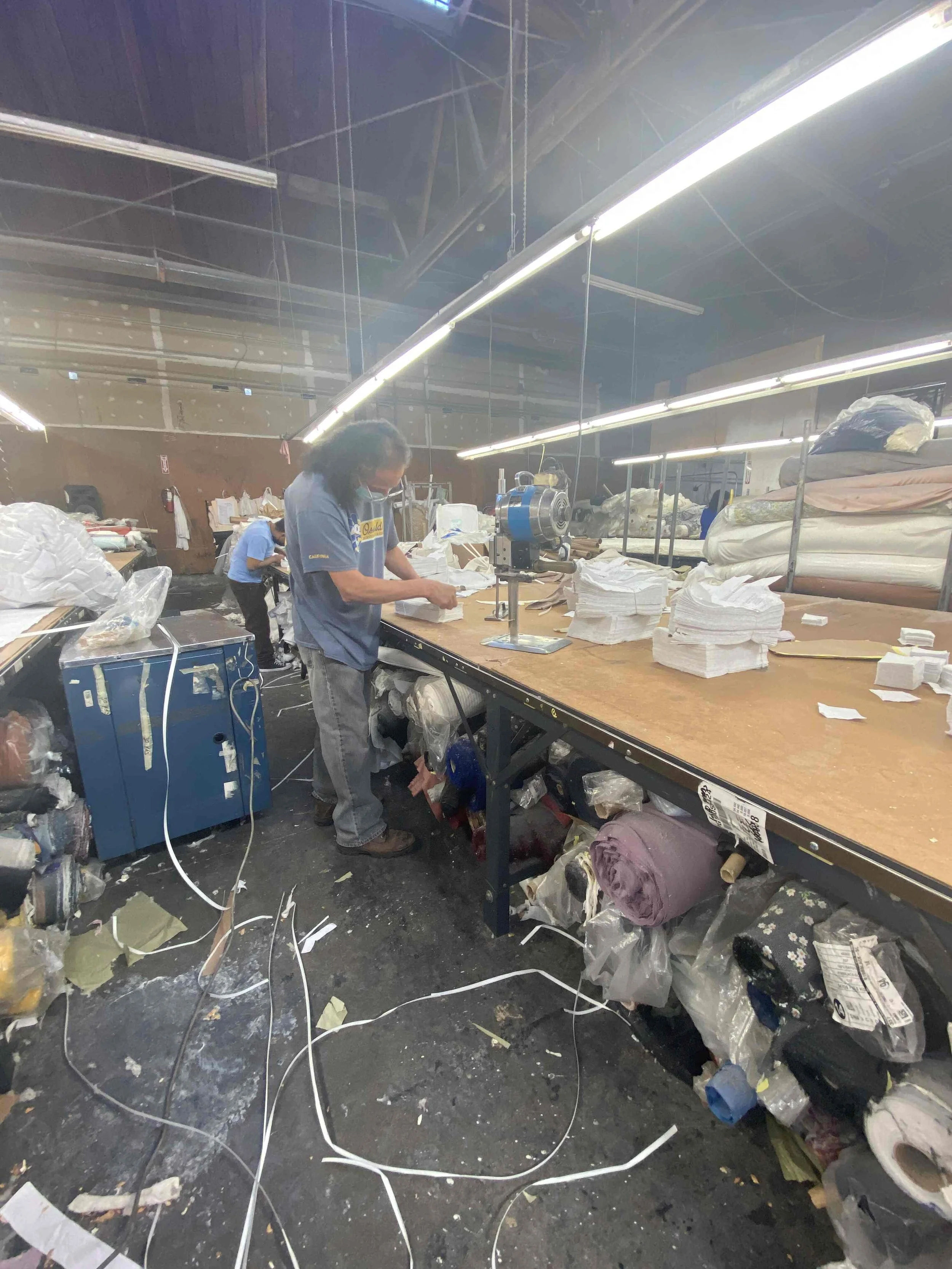
Established fashion brands across Los Angeles know that scaling production comes with hidden challenges and high stakes. Defining clear design requirements is the foundation of apparel development, transforming creative ideas into precise technical specs that guide manufacturing and quality control. This article breaks down every step of a transparent production process, equipping you with actionable strategies to reduce errors, enhance consistency, and confidently manage growth as your brand expands.
Table of Contents
Step 1: Define Design Requirements And Technical Specs
Step 2: Source Materials And Approve Samples
Step 3: Refine Fit And Finalize Production Patterns
Step 4: Map Costs And Confirm Production Timeline
Step 5: Oversee Bulk Production And Quality Checks
Step 6: Coordinate Delivery And Ensure Completion
Quick Summary
| Key Point | Explanation |
|---|---|
| 1. Define Clear Design Requirements | Document performance, functionality, quality, and aesthetic metrics to ensure effective communication during production. |
| 2. Source Quality Materials and Samples | Select fabrics that meet specifications and conduct thorough testing to validate their properties before production. |
| 3. Perfect Fit and Production Patterns | Develop precise patterns and sizes, ensuring they mirror the intended design while allowing for movement. |
| 4. Map Costs and Production Timeline | Create a detailed budget and timeline, considering material and labor costs, to avoid unexpected expenses. |
| 5. Conduct Rigorous Quality Checks | Implement systematic inspections throughout production to maintain high standards and prevent defects in final products. |
Step 1: Define design requirements and technical specs
Successful clothing production starts with crystal-clear design requirements that translate your vision into actionable technical specifications. This crucial first step ensures your garment meets every performance and quality standard before hitting production.
To define your design requirements effectively, you'll want to methodically break down your specifications into several key categories. Identifying stakeholder needs becomes your foundational starting point. Begin by documenting precise details across these critical dimensions:
Performance requirements: Expected durability, stretch capacity, moisture management
Functionality parameters: Movement range, intended use environment, layer compatibility
Quality metrics: Material strength, seam resilience, color fastness standards
Aesthetic specifications: Desired silhouette, fit characteristics, visual design elements
Detailed documentation prevents miscommunication and provides a clear roadmap for your manufacturing partner. By establishing exact technical specifications, you create a shared understanding that minimizes potential production errors.
Precise requirements are the blueprint that transforms creative vision into wearable reality.
During this process, consider involving your technical design team or production partner early. They can help refine your specifications and identify potential manufacturing challenges before significant resources are invested.
Here's a quick overview of key roles involved in successful clothing development:
| Role | Core Responsibility | Impact on Production |
|---|---|---|
| Designer | Creates garment vision and style | Sets creative direction and brand identity |
| Technical Designer | Translates ideas into specs | Ensures accurate fit and technical feasibility |
| Pattern Maker | Develops production blueprints | Enables scalable manufacturing precision |
| Production Manager | Oversees manufacturing process | Coordinates delivery and quality control |
| Quality Inspector | Conducts thorough product checks | Maintains consistent standards and brand reputation |
Pro tip: Create a comprehensive design specification document with clear measurements, material tolerances, and visual reference sketches to eliminate ambiguity in your production process.
Step 2: Source materials and approve samples
Now that you have defined your design requirements, it is time to transform your technical specifications into tangible materials and samples. This critical stage involves selecting the right fabric, testing its performance, and ensuring every detail matches your original vision.
Garment sampling is vital for quality assuranceand involves multiple evaluation stages. You'll want to work closely with your production partner to navigate through different sample types:
Proto samples: Initial design visualization and basic construction validation
Fit samples: Precise measurements and garment silhouette assessment
Pre-production samples: Final validation before bulk manufacturing
When sourcing materials, consider factors beyond aesthetic appeal. Technical fabric performance matters just as much as visual design. Look for materials that meet your specific requirements around durability, stretch, weight, and functional characteristics.
Selecting the right material is like choosing the foundation of a building - everything else depends on its strength and reliability.
During the sampling process, request comprehensive documentation for each material. This should include detailed fabric composition, weight, stretch percentage, and care instructions. Request physical swatches and conduct thorough testing to validate material properties.
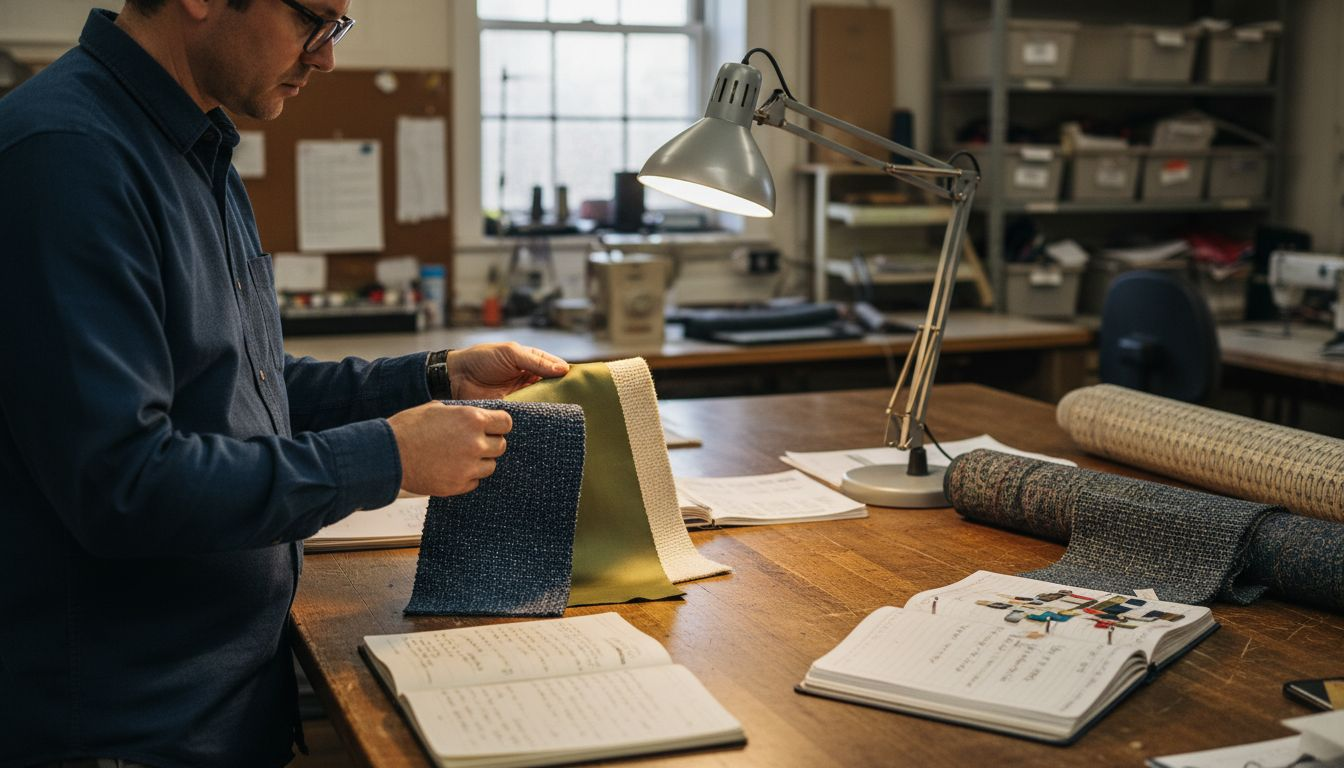
Pro tip: Always order multiple fabric samples and conduct side-by-side comparisons under different lighting conditions to ensure color consistency and true material representation.
Step 3: Refine fit and finalize production patterns
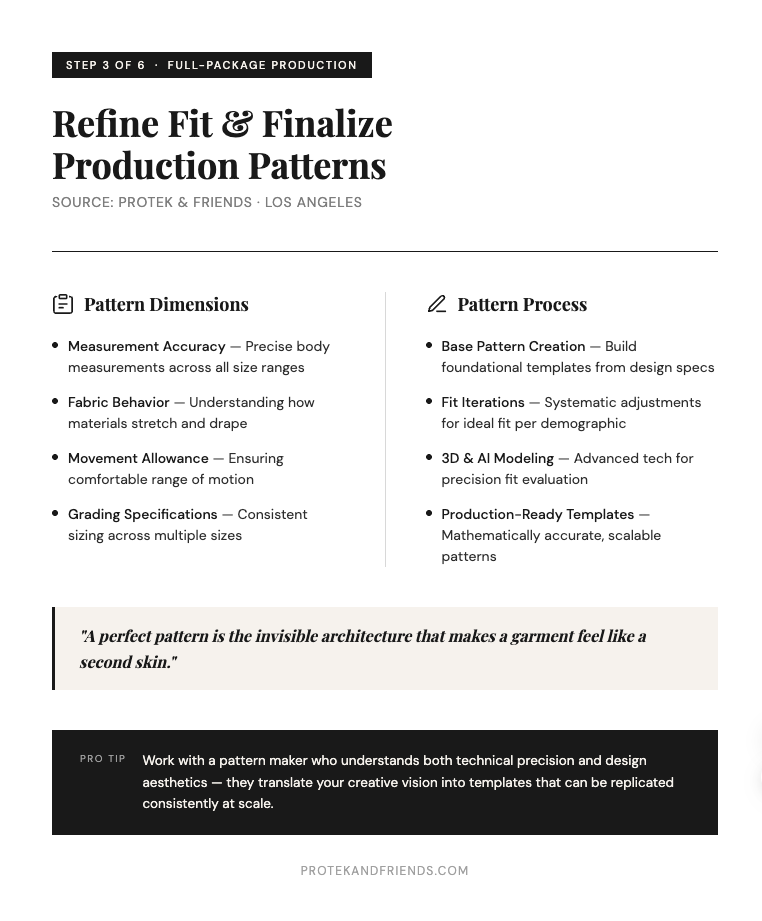
With your materials sourced and initial samples reviewed, the next critical phase involves perfecting the garment's fit and creating precise production patterns that will guide your entire manufacturing process. This step transforms your design concept into a technical blueprint ready for consistent replication.
Clothing pattern technologies have advanced dramatically with AI and 3D modeling, enabling more sophisticated fit evaluation and pattern precision. Your pattern development should focus on several key dimensions:
Measurement accuracy: Precise body measurements for different size ranges
Fabric behavior: Understanding how chosen materials stretch and drape
Movement allowance: Ensuring comfortable range of motion
Grading specifications: Creating consistent sizing across multiple sizes
Each pattern iteration requires meticulous attention to detail. Technical pattern development involves creating base patterns, then systematically adjusting them to achieve the ideal fit for your target demographic.
A perfect pattern is the invisible architecture that makes a garment feel like a second skin.
Consider working with a pattern maker who understands both technical precision and design aesthetics. They will help translate your creative vision into mathematically accurate templates that can be replicated at scale.
Step 4: Map costs and confirm production timeline
With your patterns refined, the next crucial stage involves translating your design into a financially viable and strategically timed production plan. This step transforms your creative vision into a structured roadmap that balances quality, cost, and delivery expectations.
Your cost mapping and timeline confirmation should cover multiple critical dimensions:
Material costs: Detailed breakdown of fabric, trims, and accessories
Labor expenses: Precise calculations for cutting, sewing, and finishing
Production volume: Cost variations based on different manufacturing quantities
Shipping and logistics: Comprehensive fee structures and potential variables
Production timeline planning requires careful coordination with your manufacturing partner. Each decision impacts your overall budget and launch strategy. Break down the process into measurable milestones with clear financial implications.
Time and money are the twin engines that power successful clothing production.
Consider clothing production services that offer transparent pricing models and comprehensive timeline projections. Requesting detailed cost breakdowns upfront prevents unexpected expenses and helps you maintain tight budget control.
Pro tip: Build a 15-20% contingency buffer into your initial budget to account for potential material price fluctuations or unexpected production challenges.
Step 5: Oversee bulk production and quality checks
With your production timeline and costs mapped, you now enter the most critical phase: transforming your carefully crafted design into a consistent, high-quality garment collection. This stage demands vigilant oversight and strategic quality management to ensure every piece meets your brand's exacting standards.
Garment quality controlinvolves comprehensive inspection across multiple production stages. Your quality monitoring should encompass several key checkpoints:
Raw material inspection: Verifying fabric weight, color consistency, and structural integrity
In-line production checks: Monitoring stitching precision, seam strength, and construction details
Final product evaluation: Comprehensive assessment of size, fit, and overall garment performance
Packaging and shipping readiness: Ensuring proper folding, tagging, and damage-free preparation
Quality assurance requires persistent attention. Each production batch demands meticulous review, with systematic checks that prevent potential defects from reaching your final product line.
Consistent quality is not an accident - it's a deliberate, carefully managed process.
Develop a structured inspection protocol that allows for real-time corrections. This approach minimizes potential rework and maintains the integrity of your production run.
Pro tip: Randomly sample at least 10-15% of each production batch and conduct detailed quality checks to catch potential systemic manufacturing issues before they become widespread problems.
Compare two sampling methods that help ensure fabric and garment quality:
| Sampling Method | What It Does | Why It Helps |
|---|---|---|
| Side-by-Side Fabric Comparison | Puts two fabrics next to each other to see if the colors match under different lights | Stops you from getting clothes that look different colors depending on the light |
| Random Batch Inspection | Picks a few random pieces from a big order and checks if they're made correctly | Catches problems early before all the clothes are sent out |
Step 6: Coordinate delivery and ensure completion
With production complete, your focus shifts to the final crucial stage of bringing your collection from factory to market. This phase demands strategic logistics management and precise coordination to ensure a seamless transition from manufacturing to distribution.
Apparel supply chain logisticsinvolve complex coordination across multiple critical dimensions. Your delivery strategy should encompass several essential components:
Shipping documentation: Preparing comprehensive export and customs paperwork
Transportation planning: Selecting optimal shipping modes and routes
Inventory tracking: Real-time monitoring of product movement and location
Delivery verification: Confirming quantity, condition, and timeline compliance
Successful delivery coordination requires proactive communication with your logistics partners. Anticipate potential challenges by developing contingency plans for shipping delays, customs inspections, or unexpected transportation issues.
The final mile of production is where vision transforms into reality.
Establish clear communication channels with your manufacturer and shipping partners. Regular check-ins and detailed tracking will help you navigate potential logistical complexities and maintain tight control over your product's journey.
Pro tip: Create a comprehensive delivery tracking spreadsheet that includes expected and actual arrival dates, shipping carrier details, tracking numbers, and notes on any potential customs or transportation challenges.
Take Control of Your Clothing Production Journey with Protek & Friends
The article highlights the challenges of managing the clothing production process, from defining precise design requirements and sourcing quality materials to overseeing fit refinement, cost mapping, and maintaining strict quality control. Many brand owners experience uncertainty and stress due to shifting timelines, unclear communication, and unexpected costs. If you want to avoid these common pitfalls and deliver products that match your vision with full clarity and confidence, partnering with an experienced production team is essential.
At Protek & Friends, we understand that good production should feel boring because boring means it runs smoothly, predictably, and without surprises. Our structured development process covers everything from design and technical review to bulk production management and delivery coordination. We specialize in clear documentation, transparent communication, and hybrid manufacturing solutions that protect your margins while scaling your brand with ease.
Why struggle alone when you can have a true production partner who values precision, quality control, and systems over guesswork? Experience the peace of mind that comes with replacing production chaos with our proven workflows.
Ready to turn your clothing production challenges into structured success? Visit Protek & Friends to learn how we can bring clarity and control to your entire production process today.
Frequently Asked Questions
What are the key steps in the clothing production process for quality brands?
The key steps include defining design requirements and technical specifications, sourcing materials and approving samples, refining fit and finalizing production patterns, mapping costs and confirming the production timeline, overseeing bulk production and quality checks, and coordinating delivery. Follow these steps methodically to ensure a high-quality final product.
How can I define clear design requirements for my clothing line?
You can define clear design requirements by breaking them down into performance, functionality, quality, and aesthetic specifications. Document these requirements in detail to prevent miscommunication and create a roadmap for your manufacturing partner.
What should I consider when sourcing materials for clothing production?
When sourcing materials, consider durability, stretch, weight, and other functional properties alongside aesthetic appeal. Evaluate multiple fabric samples under different lighting conditions to ensure consistency and reliability in your choices.
How do I ensure proper fit during the clothing production process?
To ensure proper fit, focus on measurement accuracy, fabric behavior, and movement allowance when refining your patterns. Work closely with a skilled pattern maker to translate your design into precise templates that accommodate different sizes.
What quality checks should I implement during bulk production?
Implement quality checks at various stages including raw material inspection, in-line production checks, final product evaluation, and packaging readiness. Conduct random inspections on at least 10-15% of each batch to identify and address potential issues early on.
How can I coordinate delivery effectively after production?
Coordinate delivery by preparing shipping documentation, planning transportation, tracking inventory, and verifying delivery conditions. Establish proactive communication with your logistics partners to anticipate challenges and maintain control over your product's journey.